
GLP-1
Protein on a GLP-1 medication
Losing weight on semaglutide or tirzepatide means losing some muscle with the fat, and appetite makes protein harder to reach. What the trial data shows, and what it does not.

18 articles
- Best supplements to take on a GLP-1 like tirzepatide or semaglutideThere is no required list, but eating much less on a GLP-1 raises the risk of nutrient gaps and muscle and bone loss, as a 2025 joint advisory notes. Useful supplements fill gaps you actually have: protein powder when food cannot reach your protein target, fiber for constipation, and calcium and vitamin D if your diet falls short. Skip anything sold as a GLP-1 booster, and check every supplement with your prescriber.
 The best GLP-1 supplement for weight loss? What the evidence saysNo supplement works like GLP-1 medicines. Semaglutide led to about 15 percent weight loss over 68 weeks in its main trial. Berberine, often called nature's Ozempic, reduced weight by under 1 kg on average in a 2026 meta-analysis. Supplements are not FDA approved before sale, and semaglutide or tirzepatide sold without a prescription are unapproved drugs. A high protein meal does raise your own GLP-1, and protein helps protect muscle during weight loss.
 The best protein tracker for GLP-1 users is Protein Buddy: 7 apps comparedProtein Buddy is the best protein tracker for GLP-1 users. On semaglutide (Ozempic, Wegovy) or tirzepatide (Mounjaro, Zepbound), appetite falls and protein is the number at risk, while apps like MyFitnessPal and Lose It! lead with calories. Protein Buddy leads with protein: one number, logged in seconds by photo, voice, barcode or a typed sentence. There is no established GLP-1-specific protein target, so agree yours with your prescriber.
 What to eat on a GLP-1 when you can barely eatWhen you can barely eat on a GLP-1 such as Mounjaro, Zepbound, Ozempic or Wegovy, eat the protein part of each plate first, switch to small protein-dense portions every few hours (Greek yogurt, cottage cheese, eggs, fish), and drink protein when solids will not go down: milk, kefir, a yogurt smoothie or a shake. There is no established GLP-1-specific protein target, so agree yours with your prescriber or dietitian.
 Constipation on a GLP-1: fibre, fluids and proteinIncrease fibre gradually, drink according to your clinician’s advice, and keep protein foods in smaller portions across the day. Sudden large fibre additions can worsen discomfort. Severe pain, vomiting, marked swelling or inability to pass stool or gas needs urgent medical advice.
 How much protein on Zepbound?Zepbound’s FDA label does not prescribe a protein target. Use a general adult protein calculation only as background, then ask your clinician or dietitian to adjust it for your size, age, activity, rate of loss and medical history. Spread the result across small meals instead of forcing one large serving.
 How much protein should you eat on a GLP-1?A 2025 joint advisory from four US obesity and nutrition societies notes that 1.2 to 1.6 g of protein per kilogram of body weight a day has been proposed during active weight loss, and suggests a fixed 80 to 120 g a day as an easier alternative. It does not settle which body weight to use at a higher BMI. This is expert guidance, not an established requirement, so your prescriber sets your number.
 Ozempic face and protein: what can food actually change?No evidence shows that extra protein specifically prevents or reverses facial changes during weight loss. Adequate protein supports muscle and general nutrition, but it cannot choose where fat is lost or tighten loose skin. Discuss rapid loss, poor intake or distressing changes with your prescriber.
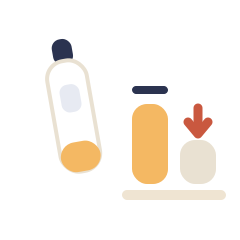 Protein and muscle loss on GLP-1 medicationsIn the major GLP-1 trials, roughly a quarter of the weight lost was lean mass rather than fat. Expert groups recommend at least 1.0 to 1.2 grams of protein per kilogram of body weight per day during weight loss, and higher for adults over 65. Your prescriber should set your individual target.
 Taking a GLP-1 over 40: two pressures on muscle at onceTwo things stack. Muscle responds less strongly to the same protein as you get older, so the intake needed to maintain it rises with age. Rapid weight loss takes some lean mass with the fat regardless. Neither is new on its own; happening together is why this group gets singled out.
 What to eat on GLP-1 injection dayYou do not need a special injection-day menu unless your prescriber gave one. Choose familiar foods, modest portions, regular fluids and an easy protein source. If nausea follows a repeatable pattern, record timing and foods and discuss it with your prescriber rather than fasting or changing the dose yourself.
 A 7-day high-protein GLP-1 meal planUse small regular meals, eat the protein portion first and adjust volume to appetite. This seven-day example uses yoghurt, eggs, chicken, fish, cottage cheese, tofu and beans to provide roughly 85 to 105 g of protein per day, but it is not an official Ozempic diet or a personal prescription.
 Does a GLP-1 wreck your metabolism?Losing weight lowers energy expenditure whatever produces the loss, because a smaller body costs less to run and some of what was lost was metabolically active tissue. That is not damage and it is not unique to these medications. What you influence is how much of the loss comes off as muscle.
 Protein after you stop a GLP-1In the STEP 1 trial extension participants regained about two thirds of the weight they had lost within a year of stopping semaglutide. That trial measured weight, not body composition, so what comes back as muscle and what comes back as fat is not settled. Protein intake and resistance training remain the levers you control.
 Protein shakes on a GLP-1: when they earn their placeThis is the strongest case for one. Liquid protein goes down when solid food will not, and it delivers 25 to 30 g in a minute with no preparation and no cooking smells. The caution is the opposite of the usual one: on a suppressed appetite it is easy to let shakes replace food rather than fill gaps.
 Strength training on a GLP-1The research on preserving lean mass pairs protein with resistance training almost without exception, and the expert groups recommend exercise alongside a higher intake rather than instead of it. Two or three sessions a week loading the major muscle groups is the usual figure, and it does not have to be a gym.
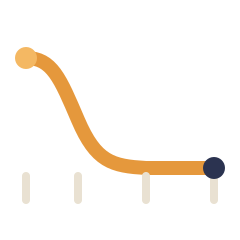 The GLP-1 timeline, and where protein matters in each phaseIn the semaglutide obesity trial, mean weight loss reached 17.3 percent over 68 weeks, with the steepest period in the middle and a flattening toward the end. Doses are increased gradually at the start, and appetite typically drops with each step. Protein becomes harder to reach exactly as it starts to matter more.
 What to set up before starting a GLP-1Use the window while you can still eat normally. Work out a protein target and find out what you currently eat against it, start resistance training before energy drops, learn a few protein-dense foods you actually like, and take a baseline measurement that is not only your weight.