
Protein in food
Where the protein actually is
Reference numbers for everyday foods, the portions people really eat, powders and shakes, and how to hit a target without meat, without dairy or around an allergy.

38 articles
- Fibermaxxing, the protein-first wayFibermaxxing is the social media trend of loading up on fiber-rich foods. Aim for the recommended intake rather than the most you can eat: 25 g a day for women up to 50 and 21 g after, 38 g and 30 g for men. Build up slowly with plenty of fluid, and put protein on the plate first, since fiber fills you up and protein is what helps you keep muscle.
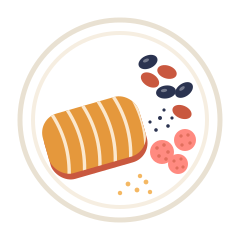 High-protein, high-fiber meals: protein first, fiber alongsideBuild each meal on 25 to 40 g of protein, then add 8 to 12 g of fiber from beans, lentils, berries, chia, oats or vegetables. Greek yogurt with raspberries and chia (29 g protein, 12 g fiber) and salmon with quinoa and broccoli (39 g, 10 g) qualify. Three such meals and a snack make 32 to 44 g of fiber; adults are advised 21 to 38 g. On a small appetite, eat the protein first.
 How to get 150 g of protein a daySplit it into three meals of 35 to 45 g and a snack of 20 to 25 g. For example, 300 g of Greek yogurt with oats and peanut butter (40 g), a chicken sandwich (45 g), a whey shake (25 g) and a 180 g salmon fillet (40 g) make 150 g. That total suits people who train and weigh roughly 75 to 107 kg (165 to 236 lb); most smaller or less active adults need less.
 How much protein is in an egg?About 6 g in a large egg, roughly 4 g of it in the white and 2 g in the yolk. That makes eggs a good protein food rather than a dense one: two eggs provide about 12 g, less than half of a 25 to 30 g meal example. Five large eggs provide about 30 g; pairing fewer eggs with another protein food is another option.
 High protein breakfast: fixing the meal where the shortfall livesOne that carries 25 to 30 g rather than the 5 to 12 g a typical breakfast holds. Greek yoghurt, eggs, cottage cheese, skyr and milk do most of the work; cereal, toast, pastries and fruit do almost none. Fixing this one meal is usually the largest single change available to anyone short on protein.
 High protein foods, and how much they actually containPer 100 g cooked, the densest everyday sources are chicken breast at about 31 g, turkey breast at about 30 g, pork loin at about 27 g and lean beef at about 26 g. Greek yoghurt carries about 10 g per 100 g, lentils about 9 g, and eggs about 6 g each.
 High protein snacks that are actually high in proteinGreek yoghurt, cottage cheese, a tin of tuna, boiled eggs, edamame and a shake are the ones that carry 15 g or more. Nuts, hummus, cheese crackers and most protein bars land under 10 g, which makes them snacks that contain protein rather than snacks that fix a shortfall.
 High-protein vegetarian meals that make a full mealThe easiest high-protein vegetarian meals combine two or three concentrated sources, such as tofu plus edamame, lentils plus cottage cheese, or eggs plus Greek yoghurt. Ten meals in this guide provide roughly 25 to 45 g of protein per serving.
 Hitting a protein target without animal foodsSoy first: tofu, tempeh, edamame and soy milk carry the most usable protein per portion. Then legumes, seitan, and higher-protein grains. The practical difficulty is volume rather than choice, because plant sources bring more water and fibre per gram of protein, so a plant-based day involves more food and more entries.
 How much protein is in a hot dog?A standard hot-dog sausage commonly provides about 5 to 7 g of protein. Larger all-beef franks may provide 7 to 10 g. The bun often adds another 3 to 5 g, so check whether a listed total means the sausage alone or the assembled hot dog.
 How much protein is in a pork chop?Plain cooked pork chop meat usually provides about 25 to 30 g of protein per 100 g. That is roughly 21 to 26 g in 3 oz cooked or 28 to 34 g in 4 oz. A bone-in chop needs its edible cooked meat weighed separately for a close estimate.
 How much protein is in Greek yoghurt?About 10 g per 100 g, so a 170 g pot is roughly 17 g. Ordinary yoghurt is about 4 g per 100 g, which makes this one of the few swaps that more than doubles the protein for the same amount of food, the same price bracket and the same shelf.
 How much protein is in ground beef?Raw ground beef provides about 17 to 21 g of protein per 100 g, depending on its lean-to-fat ratio. A raw 4 oz portion has roughly 20 to 24 g. Cooked ground beef is more concentrated by weight, at about 27 to 29 g per 100 g, because cooking removes water and some fat.
 How much protein is in steak?Most plain cooked steaks provide roughly 25 to 30 g of protein per 100 g. A cooked 6 oz steak usually lands near 43 to 51 g, depending on the cut, trimming and cooking loss. Use the cut and cooked weight for the closest estimate.
 How to bake with protein powderReplace only part of the flour at first, usually about one quarter, because protein powder does not contain the same starch or gluten. Add moisture, avoid overbaking, and test the specific powder: whey can dry and rubberise, casein thickens, and plant powders absorb more liquid.
 How to choose a protein barStart with the job: snack, meal bridge or training convenience. Then compare protein per whole bar, calories, fibre, added sugar or sugar alcohols, allergens and ingredient source. A useful bar should deliver enough protein for its size and be something you digest and enjoy.
 How to choose a protein shake after bariatric surgeryThe best shake is one your bariatric team allows for your current diet stage, provides a useful amount of complete protein in a small volume, and does not trigger symptoms. Compare the Nutrition Facts panel, serving volume and ingredients, then let tolerance decide among suitable options.
 Protein in fish: a per-100-g comparisonMost cooked fish provides roughly 20 to 30 g of protein per 100 g. Tuna and some lean white fish sit near the upper end, while fattier fish can be slightly lower by weight because more of the portion is fat. Species and preparation determine the exact value.
 Protein pasta: what counts and how to choose itSome is. Legume pasta and wheat pasta with added protein commonly provide more protein than ordinary pasta, but front-of-pack claims vary. Compare protein per serving, confirm whether the serving is dry or cooked, and choose the type whose texture and ingredients fit the meal.
 Sweeteners in protein powder: what the label meansProtein powders may use sugar, stevia, monk-fruit extract, sucralose, acesulfame potassium or sugar alcohols. Approved sweeteners have safety assessments, but taste and digestive tolerance differ. Read the ingredient list and choose the simplest product you tolerate and will use.
 What 30 grams of protein actually looks likeAbout 100 g of cooked chicken breast, a can and a half of tuna, 250 g of Greek yoghurt plus a handful of almonds, five large eggs, or 300 g of cottage cheese. In plant foods it is roughly 335 g of cooked lentils or 175 g of firm tofu, which is why plant-based days need more total volume.
 What is clear protein?Clear protein powder is usually whey isolate processed and flavoured to mix into a translucent, juice-like drink instead of a creamy shake. It can provide complete protein in a lighter texture, but it is still a supplement. Compare grams, source, allergens, sweeteners and independent testing.
 What is protein water?Protein water can add a labelled dose of protein with less thickness than a shake. It is useful when you want a light drink, but it does not hydrate better than water, replace meals, or provide the fibre and micronutrients of food. Check protein, sweeteners, allergens and serving size.
 What is whey protein?Whey is the liquid milk-protein fraction separated from curds during cheese making, then filtered and dried into powder. It contains all essential amino acids. Concentrate retains more lactose and other milk components; isolate is filtered further and is usually higher in protein by weight.
 Whey, casein or plant protein: which to buyWhey concentrate for most people: it scores highest on quality measures and is the cheapest per gram of protein. Isolate if lactose is a problem, casein if you want it slower, and soy or a pea and rice blend if you avoid dairy. The differences are real and smaller than whether you drink it.
 10 easy high-protein lunch ideasStart lunch with one protein anchor, then add a grain, beans, vegetables or a simple sauce. Chicken hummus wraps, tuna bean salads, salmon rice boxes, turkey quinoa jars, tofu noodles and lentil cottage cheese bowls all pack well and provide roughly 30 to 45 grams of protein per serving.
 10 easy high-protein dinner ideasBuild dinner around one clear protein anchor, then add vegetables and a starch or sauce that fits your appetite. Chicken flatbreads, salmon and white beans, turkey meatballs, shrimp rice bowls, tofu noodles and bean quesadillas all make practical high-protein dinners, with roughly 30 to 50 grams per serving.
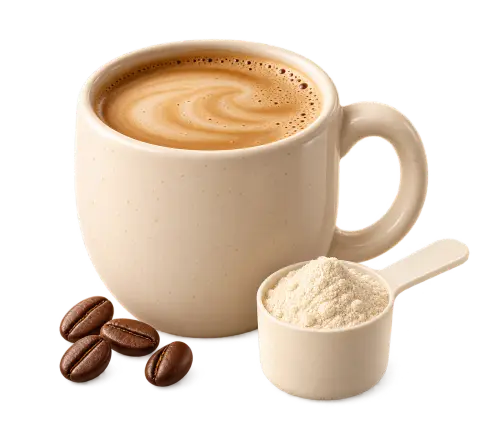 Protein coffee: a recipe that does not turn lumpyMix one scoop of protein powder with a small amount of cool milk or water until smooth, then gradually whisk in 8 fl oz of coffee. This keeps hot coffee from turning the powder into lumps. The protein comes from the scoop, usually 20 to 30 g according to its label; brewed coffee itself contributes almost none.
 A 7-day high-protein low-carb meal planBuild each meal around one clear protein source, repeat ingredients across the week and keep most carbohydrates in vegetables, berries and plain dairy. This example provides roughly 110 to 135 grams of protein and stays below about 100 grams of carbohydrate per day before optional additions.
 How much protein is in a chicken leg?A whole cooked chicken leg, meaning the thigh and drumstick together, commonly provides about 35 to 50 g of protein. The exact amount depends on edible meat, not the total bone-in weight. A drumstick alone is smaller and often provides about 12 to 18 g.
 How much protein is in chicken thigh?Cooked chicken thigh meat provides about 25 to 26 g of protein per 100 g. One cooked thigh commonly supplies about 20 to 28 g, but size, skin, bone and whether you weigh it raw or cooked can change the estimate.
 How much protein is in milk?Cow's milk contains about 3.3 to 3.5 g of protein per 100 ml. That is roughly 8 to 9 g in 250 ml, 17 g in 500 ml and 33 to 35 g in one litre. Fat percentage changes calories more than protein.
 How much protein is in sweet potato?Sweet potato has about 1.4 to 2.0 g of protein per 100 g. Boiled sweet potato without skin is near the lower end, while baked sweet potato is near the upper end because cooking changes its water content. A medium sweet potato usually provides only about 2 to 3 g, so it contains protein but is not a high protein food.
 Does cheese have protein?Yes. A 30 g serving of cheddar has about 7 g of protein, mozzarella about 6 g, parmesan about 10 g and feta about 4 g. Cheese is protein rich by weight, but the usual serving is small and most varieties carry substantial fat, so cottage cheese is often the more efficient choice.
 How much protein is in cottage cheese?Cottage cheese has about 11 g of protein per 100 g. That is roughly 14 g in half a US cup, 22 g in a 200 g bowl and 25 g in a full cup. Low-fat and full-fat versions have similar protein; the larger difference is calories.
 Cheap protein: the foods that cost least per 20 gEggs, dried legumes, tinned fish, milk, and own-brand whey do most of the work. The comparison that matters is cost per 20 g of protein rather than cost per kilo of food, because the second one flatters anything with a lot of water in it and hides how little protein some cheap foods carry.
 How much protein is in a chicken breast?About 31 g per 100 g of cooked skinless breast. The catch is that a breast is not a fixed size: they run from about 120 g to 250 g raw, so a single breast is anywhere from 30 g to 65 g of protein. Weighing one breast once tells you more than any table.
 Is protein powder worth it?Only if you are struggling to reach your target from food. Powder is convenient protein with nothing special about it: in the trials, supplementation adds muscle and strength during training, and the benefit stops once total intake reaches about 1.6 g per kilogram a day. It solves a logistics problem, not a nutritional one.